
Testimonial Video Production: Why It Outperforms Every Other B2B Content Format

Case studies get written. Testimonial videos get watched. That distinction matters more than most marketing teams give it credit for, and it's why testimonial video consistently outperforms nearly every other content format B2B marketers produce — yet it's still underused relative to what it delivers.
Testimonial Video Production 101: Why It Works
Good testimonial video production isn't about better cameras — it's about better interviews. The production choices below are what separate a testimonial that gets watched to the end from one that gets skipped.
The Case for Testimonial Video, in Plain Terms
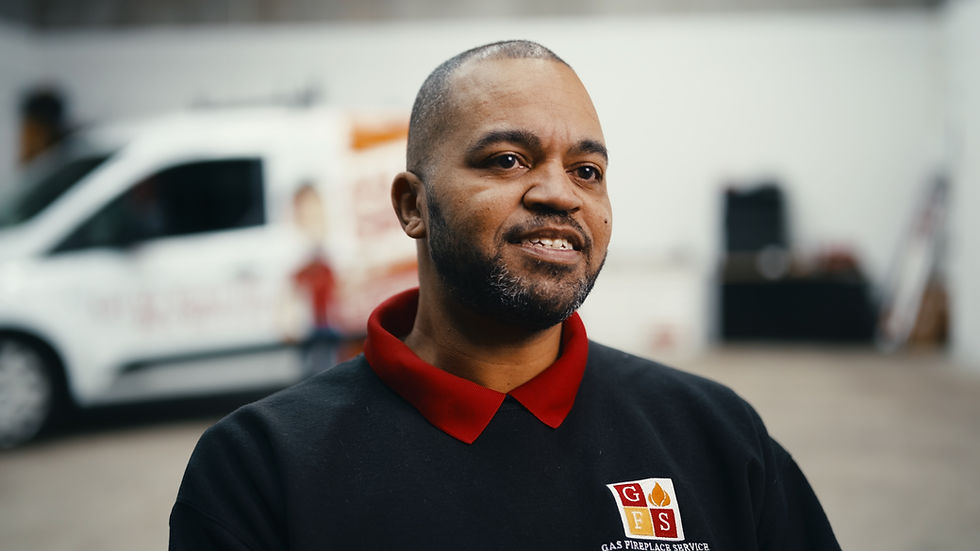
Buyers don't trust brands talking about themselves. They trust other buyers. A written case study asks a prospect to take your word that the quotes are real and the results are accurate. A testimonial video removes that friction — they see the person, hear the hesitation in their voice when they talk about what almost went wrong, and watch their face when they talk about what changed. That's a fundamentally different level of trust than a pull-quote on a landing page.
Why Documentary-Style Beats the Scripted Sales Pitch
The testimonial videos getting the best engagement in 2026 don't read like commercials. They read like conversations. That means letting the subject talk in their own words instead of feeding them brand-approved lines, capturing the specific numbers and specific frustrations instead of vague praise, and resisting the urge to cut out every pause or imperfection. A slightly rougher, more honest interview outperforms a polished but generic one almost every time.
What Actually Makes a Testimonial Video Convert
A specific problem, not a general compliment — 'they cut our production timeline in half' beats 'they were great to work with'
The subject on camera, not narration over stock footage — audiences can tell the difference instantly
Enough context that a viewer who's never heard of your company still understands what changed
A length that matches where it's used — a 90-second cut for the website, a 15-second cut for a sales deck, a 6-second cut for paid social
The Production Mistakes That Quietly Undercut Trust
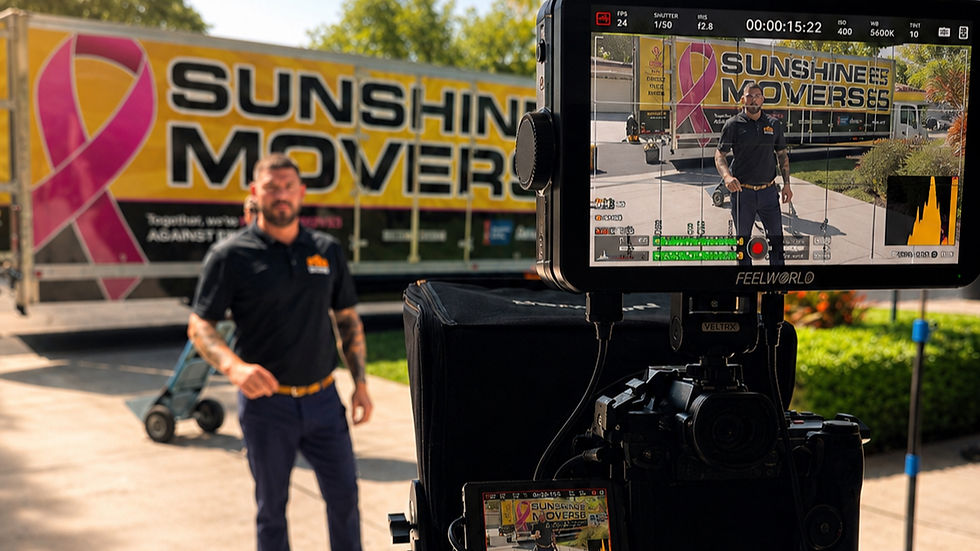
Over-scripting is the most common one. When a subject is visibly reciting talking points, viewers pick up on it immediately, and the credibility the video was supposed to build actually goes the other way. Poor audio is the second most common — viewers will forgive average lighting far more readily than they'll forgive audio they have to strain to understand. And generic B-roll that could belong to any company in any industry does nothing to reinforce that this testimonial is specific and real.
How Piximpress Approaches Testimonial Production
Piximpress has produced testimonial and customer-story content for organizations including NBCUniversal and NewSchools Venture Fund, and the approach is the same regardless of the client's size: unscripted interviews, professional lighting and audio that hold up against broadcast content, and a shot list built around getting specific, usable soundbites rather than generic praise. The goal isn't just a video — it's an asset your sales team will actually use.
If your team is planning testimonial or customer-story production for the year ahead, Piximpress can help you get it right the first time. Get in touch to talk through your next shoot.


Comments